Don't Sweat the Technique
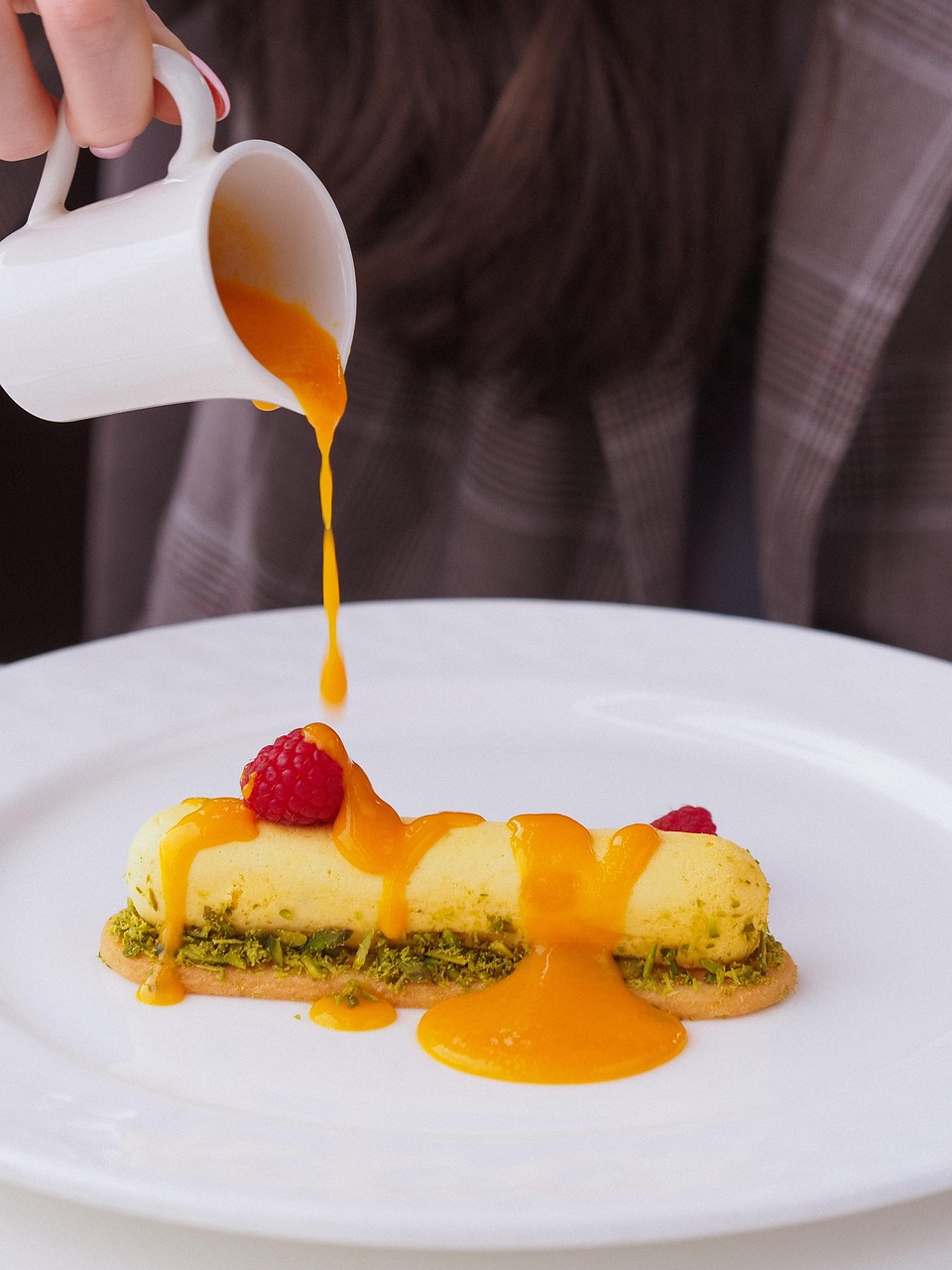
Cooking combines science and soulfulness to create art. In order to create any form of cuisine, you must abide by the scientific aspect of cooking. There are certain elements that can help your dish become legendary. The basics of this are proper technique, time, temperature control, preparation, and adaptability. Any time you craft a dish, be it frozen, cooked, fermented, etc, you have to follow these standards so that you can enjoy the meal and be safe.
Using the correct techniques can ensure you make the dish exactly as intended and that it can be duplicated. Cooking at the right temperature and for the right amount of time ensures the food is fully cooked and reaches the desired doneness. Before you even start cooking, make sure you have all the ingredients so the recipe turns out right. Even with careful planning, you might still find yourself missing an item or lacking a specific tool. In those moments, adaptability is key—being able to confidently substitute ingredients or equipment can turn a potential setback into an opportunity for creativity and growth. That flexibility is, in my view, one of the most valuable skills a cook can develop.
From Farm to Table
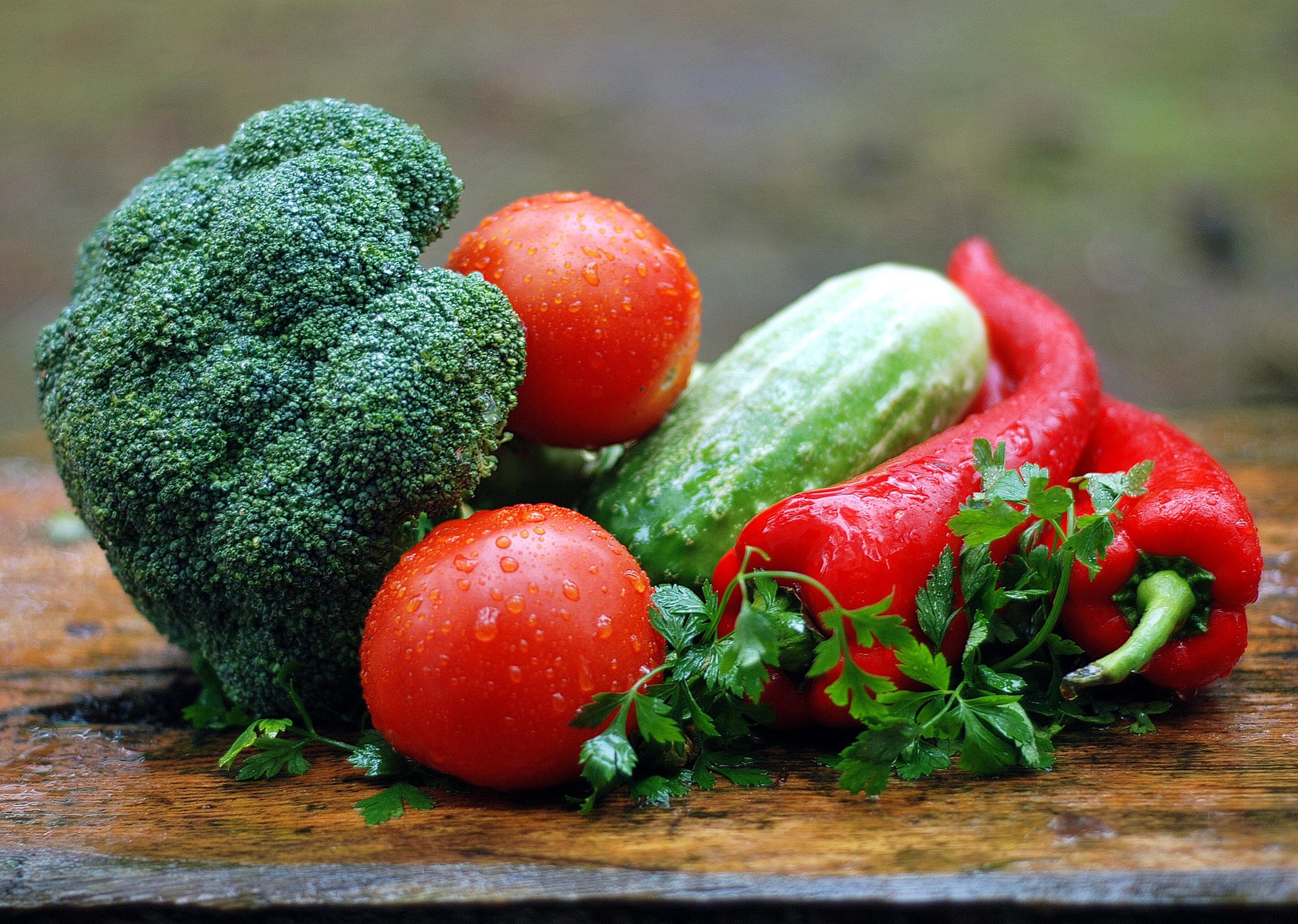
The foundation of any great meal begins with selecting your ingredients. Choosing higher-quality ingredients not only elevates the taste of your dish but also supports your health. Seasonings are essential for crafting distinctive and flavorful meals. While salt and pepper can sometimes suffice, the diverse cuisines around the world often call for a wider range of herbs and spices to achieve their signature flavors.
After gathering your ingredients, preparation is the next essential step. Properly washing, peeling, chopping, or marinating your ingredients can make a significant difference in both flavor and texture. Taking time to carefully prep each item ensures a smoother cooking process and a more harmonious final dish. Attention to detail during preparation sets the foundation for a successful meal.
As you cook, stay attentive to how each ingredient and seasoning contributes to the overall flavor. I always follow the golden rule: “Missing salt can be fixed—too much salt cannot be nixed.” Make it a habit to taste your food whenever it’s safe to do so. Of course, avoid sampling anything undercooked or unsafe. Once your dish reaches a point where the meat or vegetables are cooked through, tasting allows you to make those final adjustments before serving.
Last but not Least, The Plate
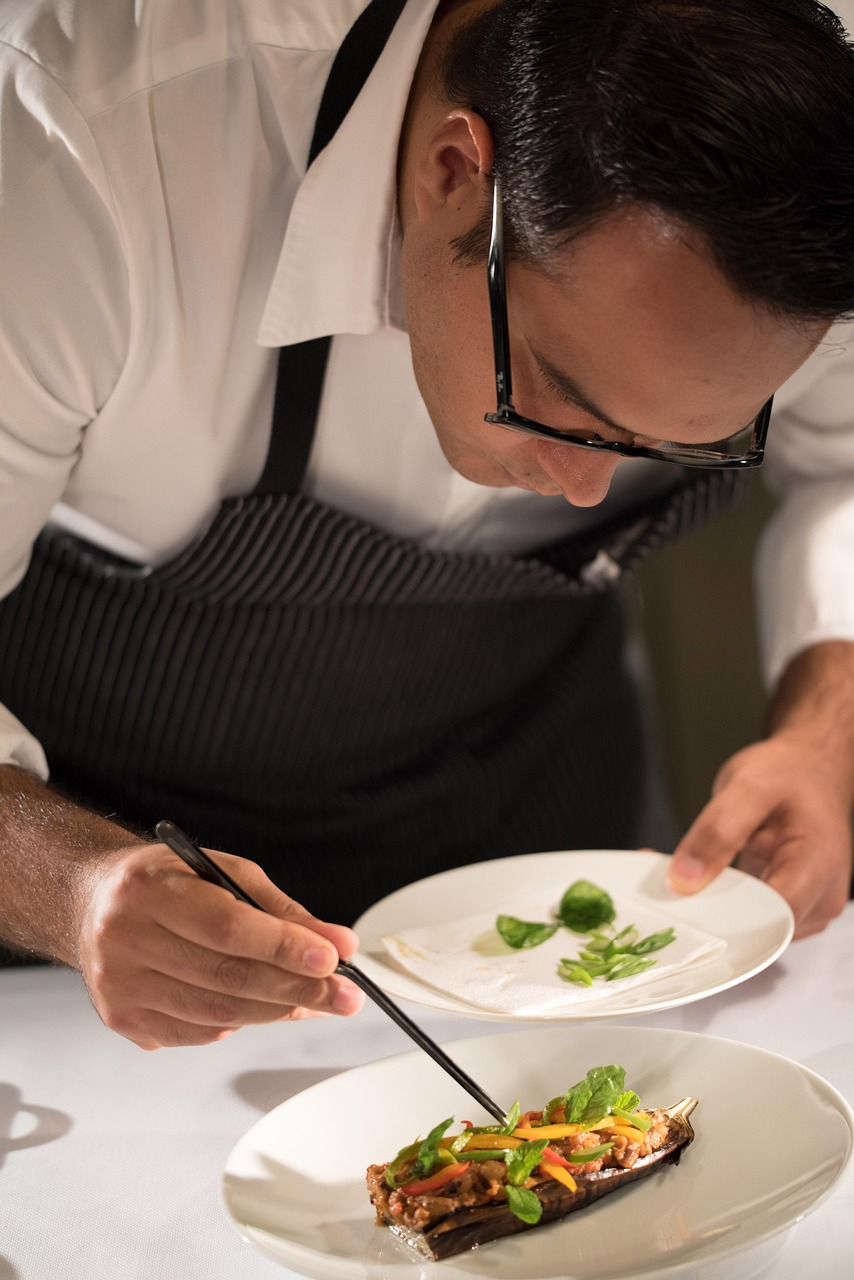
We have reached the final step of our journey. The excitement and commotion have faded, the pots are off the stove, and the recipe has come together. It is time to present your creation. Earlier, we discussed how food is more than just sustenance—it’s an expression. This is your moment to let that expression shine. The process may have been chaotic, but now you reveal your masterpiece. The kitchen, once full of energy and sound, has settled into a peaceful hush as you focus on perfecting your plate. This quiet allows your creativity to flow, making plating one of the most intense yet rewarding experiences in the kitchen.
Even the best experiences eventually conclude. Once plating is complete, it is time to tackle the aftermath: cleaning up spills, washing dishes, and putting everything away. The kitchen tools used to craft your culinary work need to be returned to their proper spots, and the seasonings should be returned to their place on the shelf. Cooking, like many aspects of life, is a cycle. To truly excel as a chef, you must value cleanliness as much as the craft itself. Consistently practicing good kitchen hygiene ensures that you keep improving your dishes time after time. By mastering all three elements of cooking, you’ll become the standout chef in your own story.
Contact